
Hail Damage Roof & Exterior Repair
Protecht Exteriors
Where Technology and Construction meet
Protecting Your Home After the Storm
Top Hail Damage Contractors in Michigan
Was Your Home Damaged By a Hail Storm ?
Hail storms can cause serious damage to your roof and exterior — often without obvious leaks or visible signs at first glance. Even small hail impacts can shorten the lifespan of your roofing system, compromise shingles, and expose your home to future water damage.
At Protecht Exteriors, we specialize in hail damage inspections, repairs, and insurance claim assistance. Our team helps homeowners identify hidden damage, document it properly, and restore their home to pre-storm condition — with minimal stress and maximum protection.
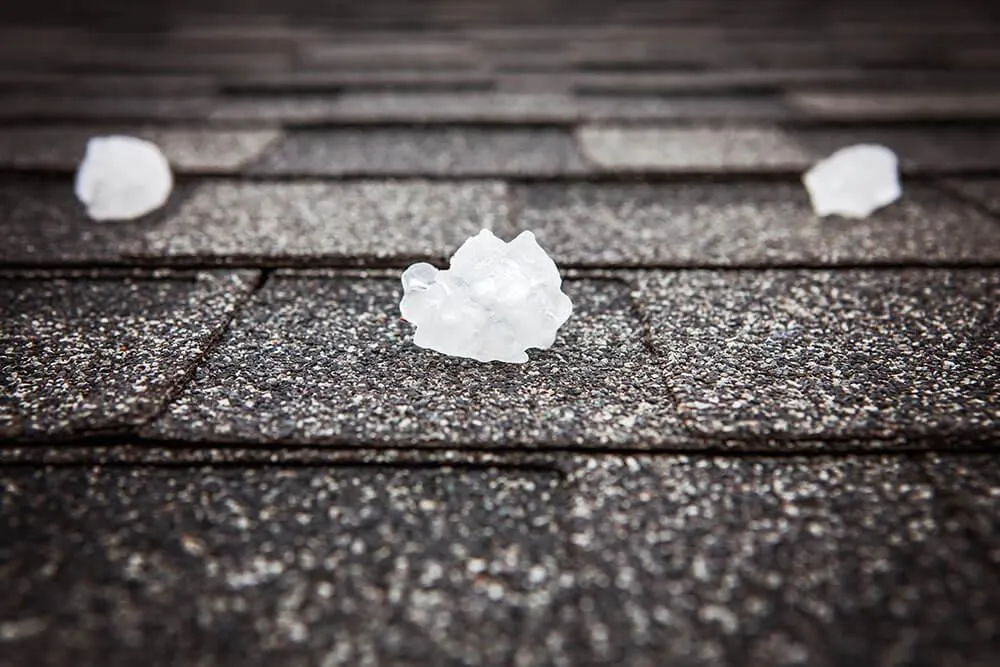
Hail Damage
Hail damage can be subtle but devastating. This section focuses on providing immediate peace of mind and demonstrating expertise in hidden damage assessment.

Hidden Dangers: Expert Hail Damage Inspection & Repair
Even small hailstones can compromise your roof's integrity, leading to granule loss, cracked shingles, and eventually, leaks. Don't wait for visible water damage to appear. Our certified inspectors use advanced techniques to find every compromise a storm has left behind, guaranteeing a comprehensive repair process.
Proactive Damage Detection: We spot granule loss and unsealed shingles often missed by the untrained eye, preventing future leaks.
Insurance Claim Specialists: We provide detailed photo/video documentation and professional reports to streamline your claim approval.
Protect Your Investment: Timely, expert repair secures your roof's long-term durability and maintains your home's value.
Storm damage is stressful enough. We handle the entire insurance process—from documentation to final approval—so you can focus on getting back to normal.
Immediate Damage Assessment: A thorough, safe inspection of your roof, gutters, and siding from the ground and up-close, documenting every issue.
Insurance Documentation: We submit a professional report with photos , material documentation, and code requirements, directly to your provider to strengthen your claim.
Flawless Repair: Replacing or restoring damaged materials professionally installed per manufacturers specifications and current building codes.
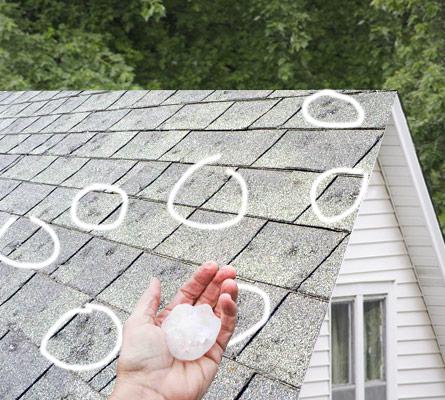
How Hail Damage Affects Your Home
Hail damage isn’t always obvious. Even if your roof isn’t leaking, hail impacts can weaken critical components.

Common Hail Damage Issues We Find
Bruised or fractured shingles
Granule loss exposing asphalt layers
Cracked or broken shingle mats
Dented vents, flashing, and gutters
Broken vinyl and dented aluminum siding
Compromised seals leading to future leaks
Over time, these issues can result in
Premature roof failure
Voids manufactures warranty
Interior water damage
Mold growth
Reduced home value
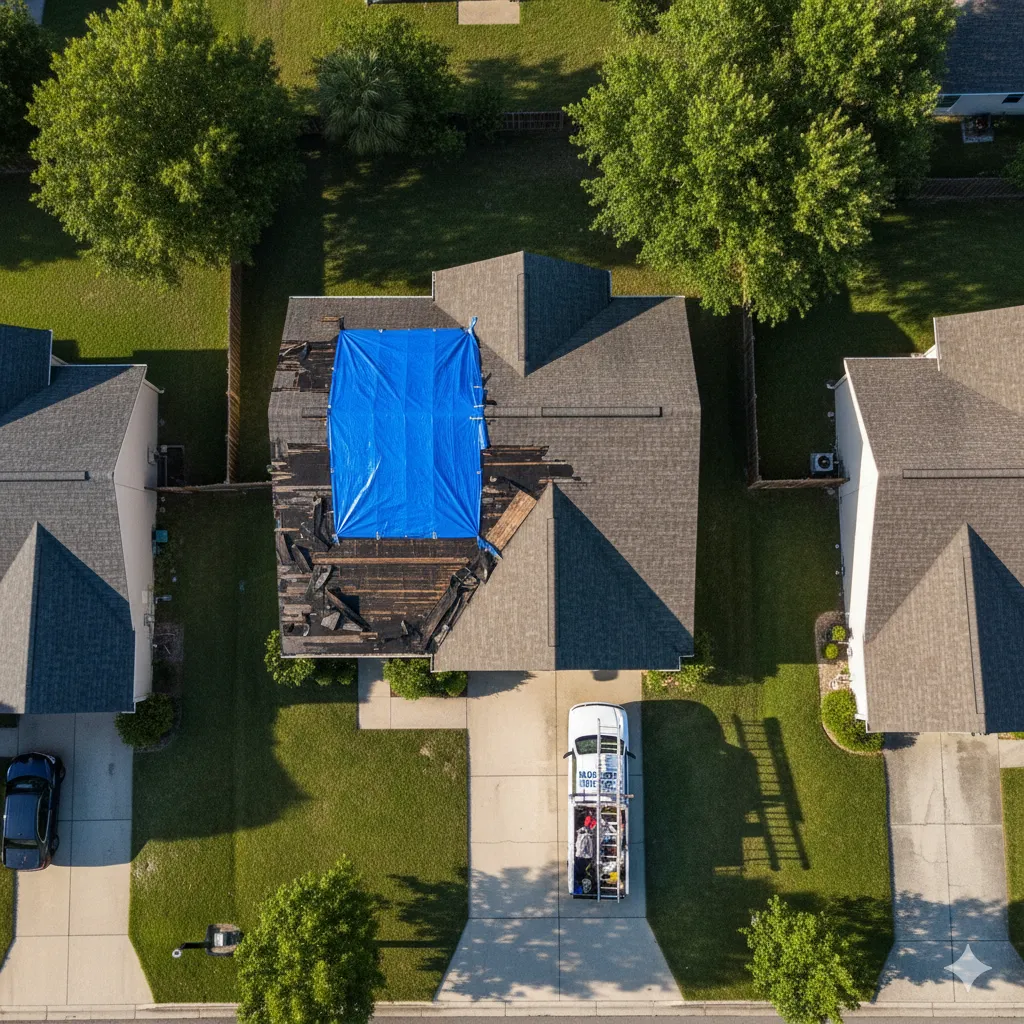
Signs You May Have Hail Damage
If your area experienced a hailstorm, your home may be affected — even if everything looks fine from the ground
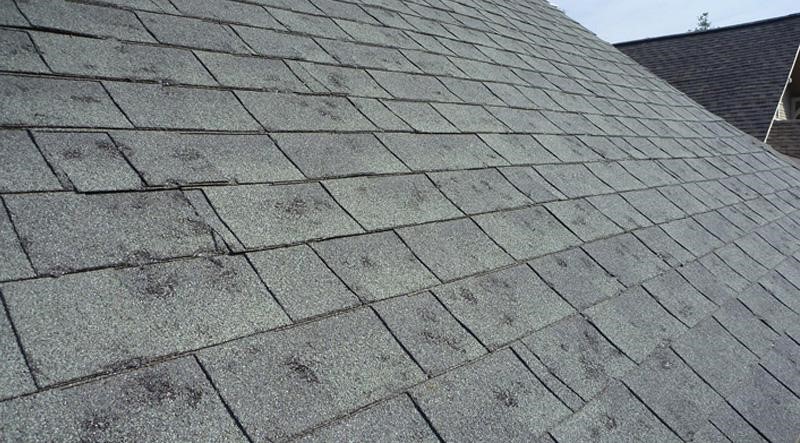
Warning Signs to Watch For
Dark spots or soft areas on shingles
Missing granules in gutters or downspouts
Dents on metal roof components or siding
Cracked skylights or roof vents
Neighbors getting roof replacements after a storm
Professional Assistance
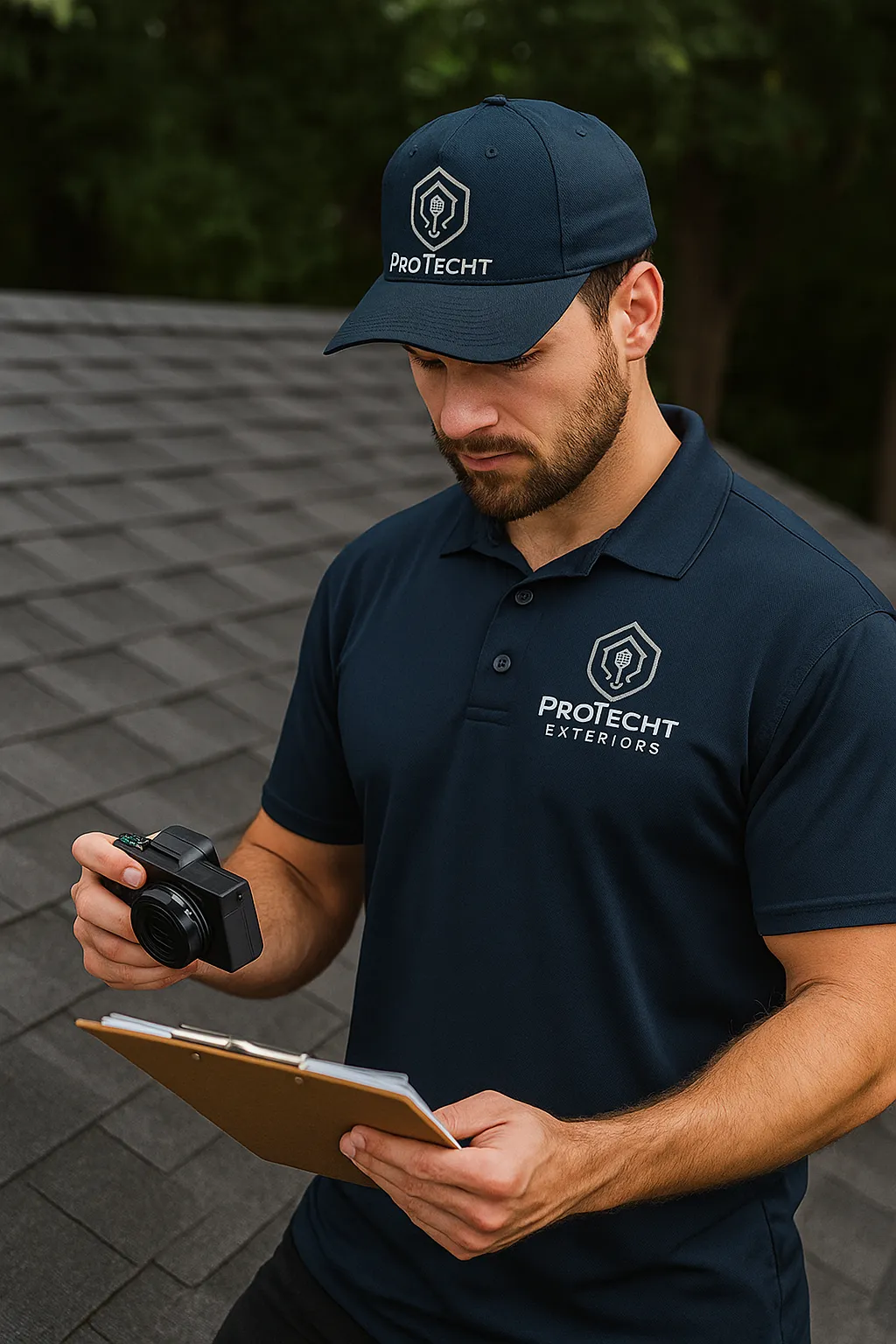
What We Provide
Full roof and exterior evaluation
Identification of hail impact zones
Photo documentation for insurance claims
Assessment of repair vs. replacement options
Clear explanation of findings
Assisting with the insurance claim process
Providing proper documentation and photos
Meeting with adjusters when needed
Ensuring all storm-related damage is addressed
We don’t guess — we document and verify.
STILL NOT SURE?
Frequently Asked Questions
How do I know if my roof has hail damage?
Common signs include dark impact spots (often called bruising), missing granules, cracked shingles, dents on vents, flashing, or gutters, and soft areas when inspected closely. Many hail issues are not visible from the ground, which is why a professional roof inspection is the best way to confirm damage.
What does hail damage look like on asphalt shingles?
Hail damage on asphalt shingles often appears as circular impact marks, areas of granule loss exposing the asphalt layer, cracked or fractured shingle mats, and bruised spots that may feel soft to the touch. Damage can be scattered or concentrated depending on storm intensity and wind direction.
Can hail damage cause leaks even if my roof isn’t leaking yet?
Yes. Hail can weaken shingles and remove protective granules, compromising your roof’s ability to shed water. While leaks may not appear immediately, problems often develop later after additional rain, wind, or freeze-thaw cycles.
Does homeowners insurance cover hail damage to the roof?
In many cases, yes. Hail damage is commonly covered under homeowners insurance policies. Coverage depends on your specific policy terms, deductible, and exclusions. A documented professional inspection with photos helps support the claim and ensures storm-related damage is properly identified
Should I file an insurance claim for hail damage?
If an inspection confirms hail damage that affects the roof’s performance or lifespan, filing a claim may be appropriate. A qualified contractor can document the damage and help you understand whether repair or replacement makes the most sense based on the condition of your roof and your policy.
How long do I have to file a hail damage claim?
Claim timeframes vary by insurance company and policy. Some require prompt notice after the storm, while others allow more flexibility. Scheduling an inspection as soon as possible helps document damage while it’s still clearly tied to the hail event.
What’s the difference between hail damage repair and roof replacement?
Repair may be an option when damage is isolated and shingles remain structurally sound. Roof replacement is often recommended when hail impacts are widespread, granule loss is extensive, shingles are bruised or cracked across large areas, or the roof’s overall integrity is compromised.
Can hail damage my siding, gutters, or vents too?
Yes. Hail frequently dents aluminum gutters and downspouts, damages soft metal components like flashing and vents, and can crack or dent siding depending on the material. A full exterior inspection ensures all storm-related damage is identified.
Will my roof pass an inspection if it has minor hail damage?
Minor hail damage may not cause immediate failure, but it can shorten the roof’s lifespan and increase the risk of future leaks. A professional inspection determines whether the damage is cosmetic or functional and whether repairs or replacement are recommended.
What happens during a professional hail damage inspection?
A professional inspection includes checking shingles for bruising and granule loss, examining flashing and roof penetrations, inspecting gutters, vents, and siding, and taking detailed photo documentation. You’ll receive a clear explanation of findings and recommended next steps.
How much does a hail damage roof inspection cost?
Many storm restoration contractors offer hail damage inspections at no cost. The real value is accurate documentation and clear guidance so you can make an informed decision about repairs or insurance claims.
Can I check for hail damage myself?
You can look for dents on gutters, downspouts, vents, and siding from the ground, and check for granules collecting near downspouts. Avoid walking on the roof—it’s dangerous and may cause further damage. A professional inspection is safer and more reliable.
Will a new roof increase my home’s value after hail damage?
A properly installed roof replacement can improve curb appeal, restore full protection, and reduce buyer concerns if you plan to sell. It also helps prevent future water intrusion and supports long-term home performance.

Where Technology and Construction meet
Quick Links
Home
Services