
Professional Wind Damage Roofing Experts
Protecht Exteriors
Where Technology and Construction meet
Let Us Assist With Your Strom Damage Needs
Top Strom Damage Contractors in Michigan
Wind Damage Roof Repair You Can Trust
High winds can silently destroy your roof. Protecht Exteriors identifies, documents, and repairs wind damage before it turns into costly leaks or structural problems.
WHAT WIND DAMAGE DOES TO YOUR ROOF
Wind damage doesn’t always look dramatic—but even moderate wind speeds can compromise your roofing system. Once wind breaks the seal of shingles or flashing, your roof becomes vulnerable to water intrusion, mold, and long-term structural decay.
Common wind-related roof issues include:
Lifted or creased shingles
Missing shingles or ridge caps
Exposed underlayment or decking
Bent or loosened flashing
Damaged vents, boots, and pipe seals
Weakened shingle adhesive strips
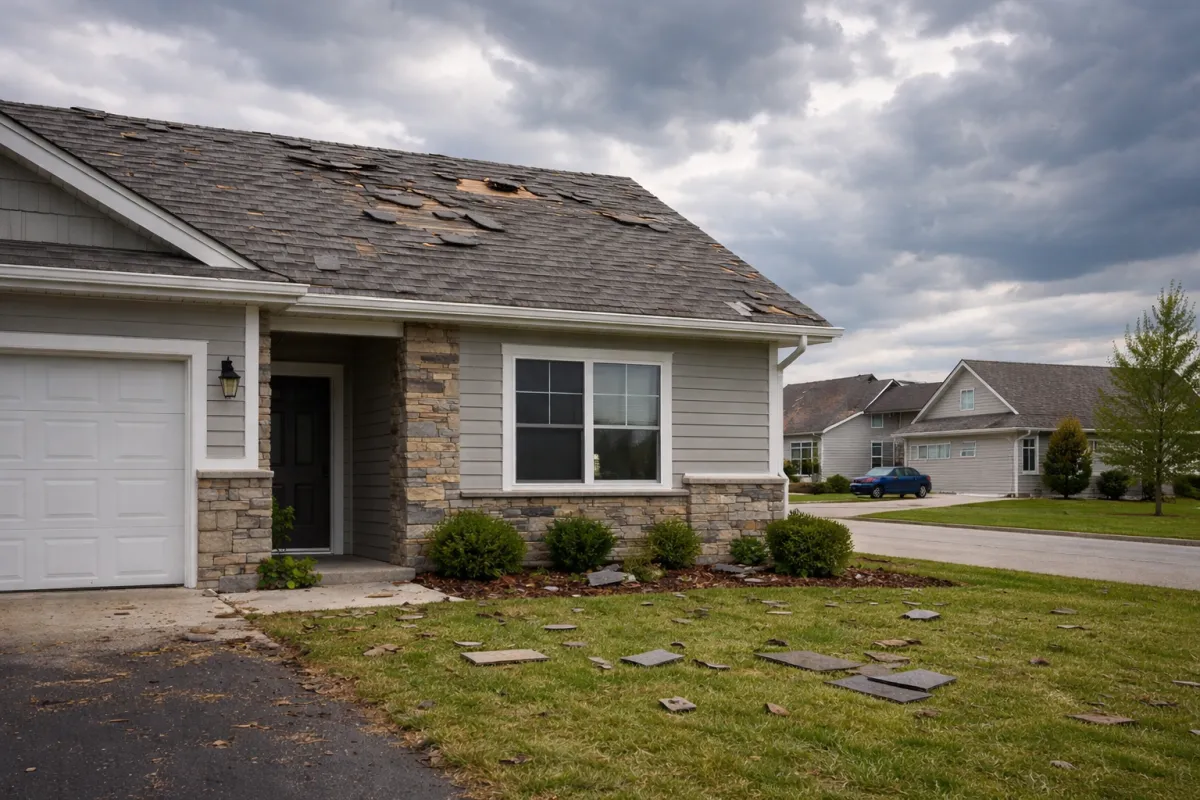
Many wind-damaged roofs look “fine” from the ground but fail prematurely without repairs.
SIGNS YOU MAY HAVE WIND DAMAGE
Signs Your Roof Has Wind Damage
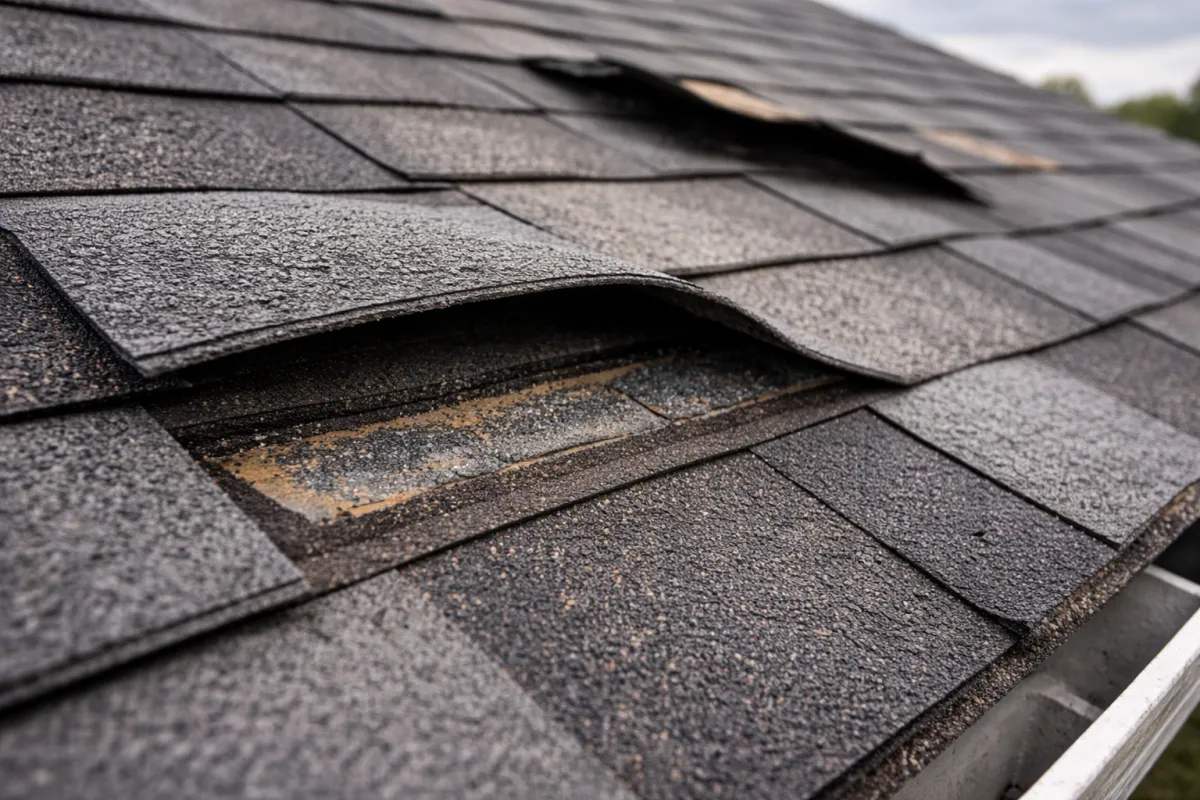
You should schedule a professional inspection if you notice:
Shingles on the ground or in gutters
Curling or flapping shingles
Interior ceiling stains or attic moisture
Sudden increase in energy bills
Granules collecting near downspouts
Rattling or whistling sounds during wind
Important: Wind damage often occurs without immediate leaks. Delayed repairs can void manufacturer warranties and insurance eligibility.
OUR WIND DAMAGE INSPECTION PROCESS
Protecht Exteriors uses a detailed, insurance-approved inspection process designed to uncover both visible and hidden damage.
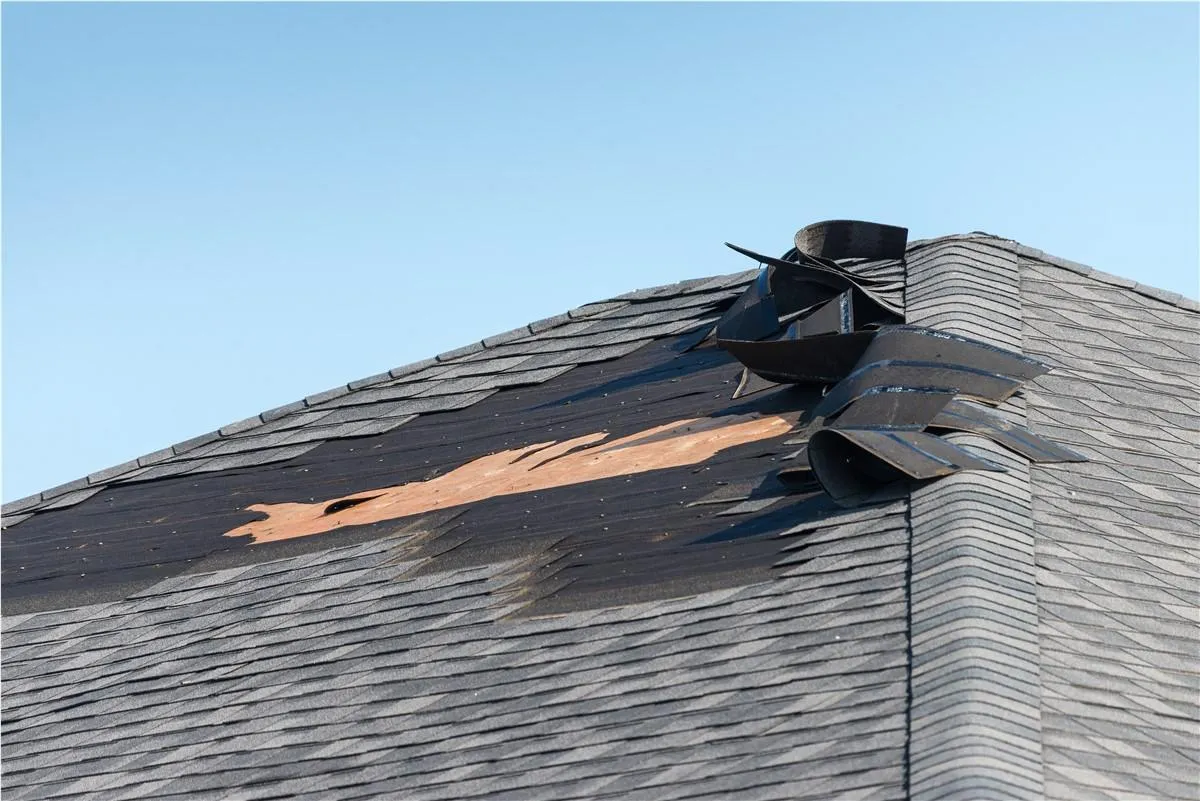
Our inspection includes:
Exterior roof surface evaluation
Shingle adhesion and uplift testing
Flashing, ridge, and ventilation assessment
Attic and decking moisture check
Photo documentation for insurance claims
Clear explanation of repair or replacement options
✔ No pressure
✔ No obligation
✔ Fully documented results
WIND DAMAGE & INSURANCE CLAIMS
Wind damage is commonly covered by homeowners insurance—but only if it’s properly documented.
Identify legitimate wind damage
Create detailed photo reports
Meet with insurance adjusters
Understand coverage vs exclusions
Ensure repairs meet insurance standards
We work for YOU the homeowner, not the insurance company.
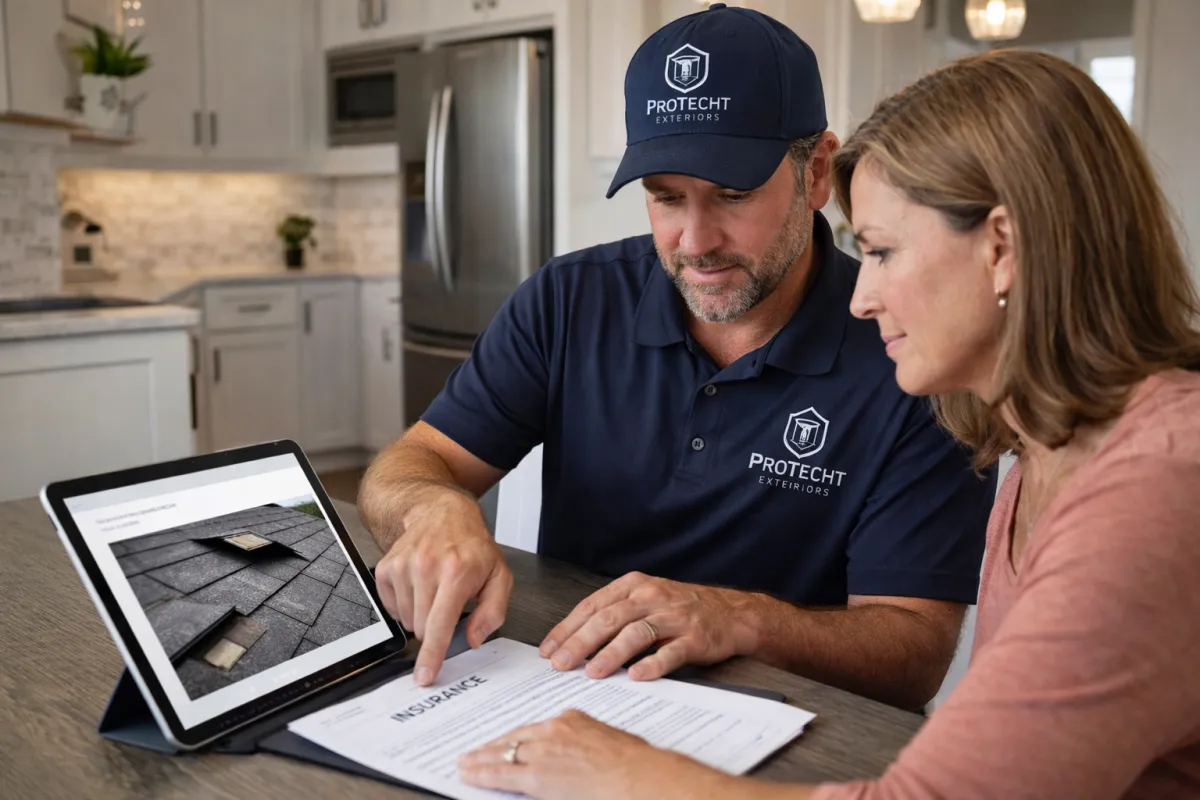
REPAIR VS REPLACEMENT
Do You Need Wind Damage Repairs or a Full Roof Replacement?
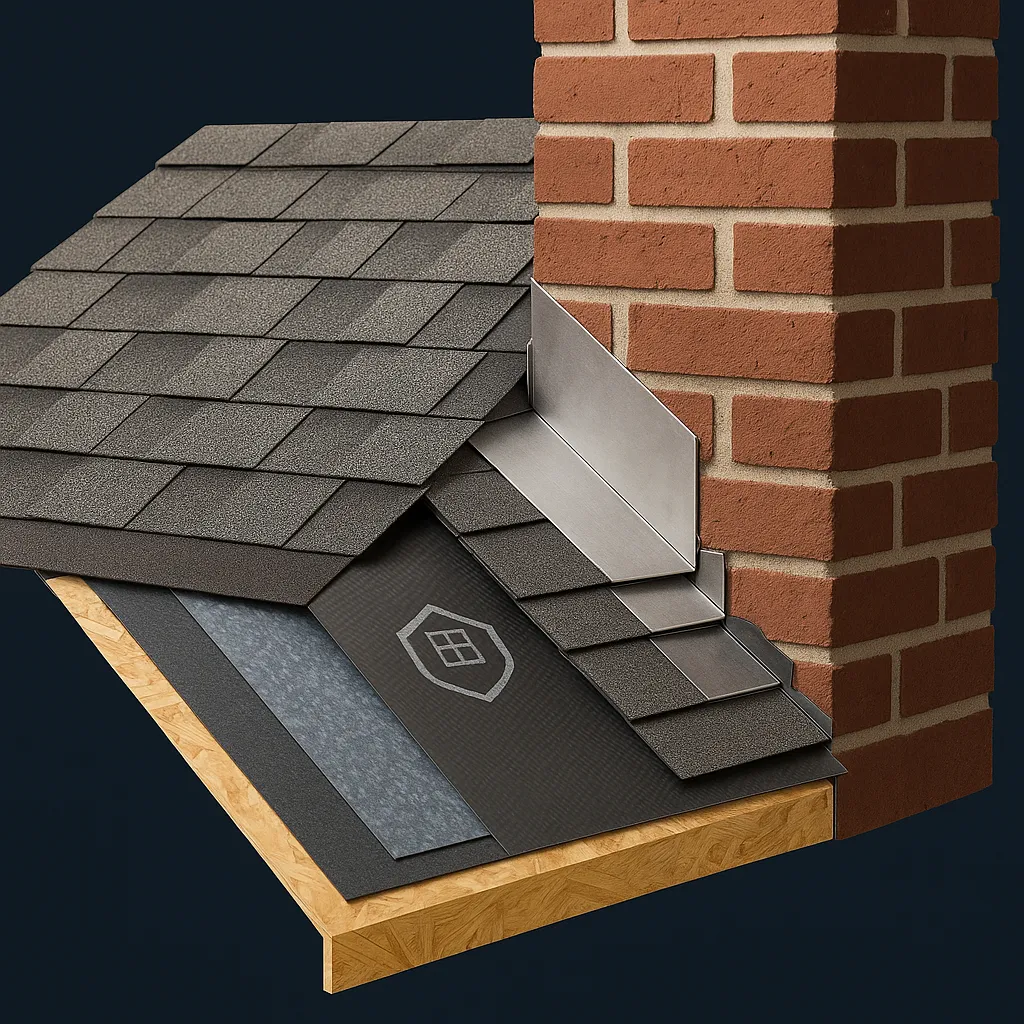
The right solution depends on:
Age of the roof
Extent of wind uplift
Number of missing or creased shingles
Manufacturer repair limitations
Insurance requirements
We always recommend the best one for your home and situation
WHY PROTECHT EXTERIORS
Specialized wind damage expertise
Honest, education-first approach
Insurance-friendly documentation
Premium materials & workmanship
Clean job sites & clear communication
Local, trusted roofing professionals
Your roof is a system—not just shingles. We protect the entire structure.
STILL NOT SURE?
Frequently Asked Questions
How strong does wind need to be to damage a roof ?
Wind speeds as low as 45–60 mph can lift shingles, especially on older roofs or improperly sealed areas
Can wind damage cause leaks later ?
Yes. Lifted shingles often allow water intrusion months after the storm.
Will insurance cover wind damage ?
Most policies do, but coverage depends on documentation, roof age, and policy terms.
How soon should I get an inspection after a windstorm ?
As soon as possible—delays can worsen damage and impact insurance eligibility
How can I tell if my home has wind damage?
Signs include missing shingles, exposed underlayment, dents in vents or gutters, interior water stains, and debris scattered around your property after a storm.
Can minor wind damage lead to bigger problems?
Absolutely. Even small areas of damage can allow water intrusion that leads to leaks, mold, wood rot, and more expensive repairs if not addressed quickly.
What parts of my home can be damaged by high winds?
High winds can damage roofing, siding, gutters, fascia, soffits, windows, and exterior trim, not just shingles.
What wind speeds typically cause roof damage?
Damage can begin at winds as low as 45–60 mph depending on roof age, installation quality, and material condition.
Can wind damage be repaired instead of replacing the roof?
In many cases yes. If the damage is localized and the roof is in good overall condition, targeted repairs may be enough.
Why choose Protecht Exteriors for wind damage repairs?
With over 25 years of experience, certified crews, and insurance claim expertise, we provide fast, reliable restoration for Michigan homeowners.
Schedule Your Free Wind Damage Roof Inspection
Don’t wait for a small issue to become a major repair.
Protect your home with a professional wind damage evaluation from Protecht Exteriors.

Where Technology and Construction meet
Quick Links
Home
Services